.png)
Forester Development Update: Progress on Screeding Floors and Upcoming Dry Lining Plans

The Forester development is moving steadily forward, with significant progress made on screeding floors across the site. This update highlights the current status of the screeding work, the scale of the project, and what to expect next as dry lining materials arrive and walls begin to rise.

Progress on Screeding Floors
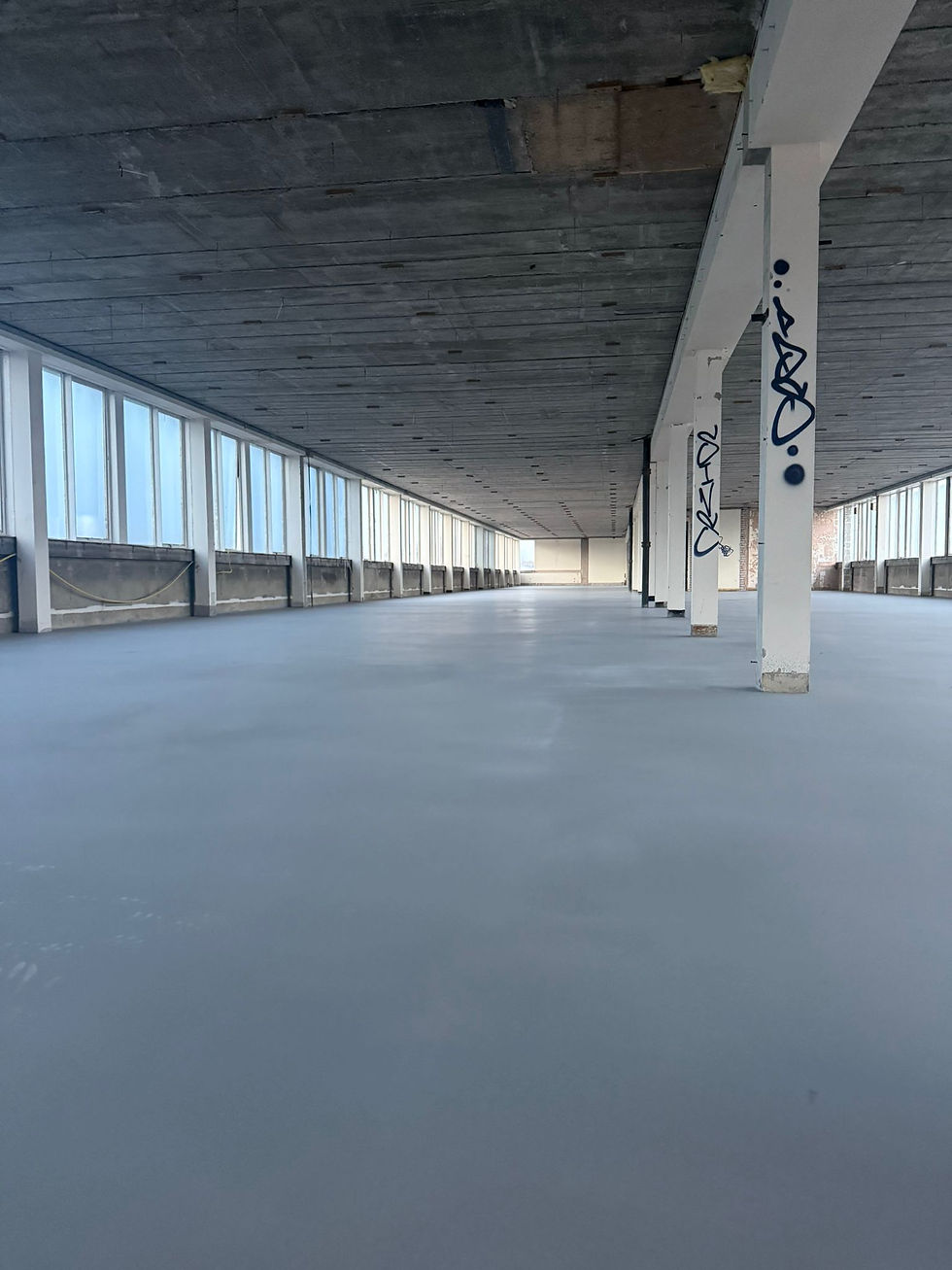
Screeding is a crucial step in preparing floors for the next phases of construction. At Forester, the team has been working on five floors, covering a total of 42,000 square feet from the ground level back to the substructure. So far, about 2,100 metres of screeding have been completed, with another 2,000 metres still to go.
This means the project has already covered approximately 25,000 square feet of screeded floor space. The screeded floors provide a level and smooth base, essential for installing flooring finishes and ensuring structural integrity.
The scale of this work is impressive. Managing screeding over such a large area requires careful planning and coordination. The team must ensure the screed cures properly to avoid cracks or uneven surfaces, which could delay later stages.
What Screeding Means for the Project
Screeding floors is more than just laying concrete. It sets the foundation for the entire interior build-out. A well-executed screed:
Creates a flat, level surface for flooring installation
Protects the substructure from moisture and damage
Supports the weight of walls, partitions, and fixtures
Helps with sound insulation and thermal regulation
At Forester, completing screeding on these five floors means the project is ready to move into the next phase: dry lining and wall construction.

Upcoming Dry Lining and Wall Construction
Once the remaining screeding is finished, the next step involves bringing dry lining materials on site. Dry lining refers to the installation of plasterboard or drywall to form internal walls and ceilings. This process is faster and cleaner than traditional wet plastering and allows for easier installation of electrical wiring and plumbing.
At Forester, dry lining will begin soon after the screeding is complete. Walls will start to go up, defining rooms and spaces within the building. This stage transforms the raw concrete floors and open spaces into functional interiors.
Key benefits of dry lining include:
Speed of installation compared to traditional methods
Flexibility to modify layouts if needed
Improved insulation and fire resistance
Cleaner work environment with less drying time
The arrival of dry lining materials signals a shift from structural work to interior finishing. It also means the project is progressing on schedule, moving closer to completion.
What to Expect Next at Forester
With about 2,000 metres of screeding left and dry lining materials ready to be delivered, the next few weeks will be busy. The team will focus on:
Completing the screeding on all remaining floors
Ensuring screeds cure properly before further work
Receiving and storing dry lining materials on site
Starting the installation of internal walls and partitions
This phase will bring visible changes to the site as walls rise and spaces take shape. It also sets the stage for subsequent trades like painting, flooring, and electrical work.


Comments